Ep 212 - "The Family Business Playbook: Growth, Exit, and Legacy"
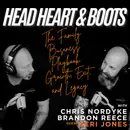


Family businesses come with incredible opportunities, but they also come with unique challenges. In this episode, I sit down with Keri Jones, whose family built Utah Disaster Kleanup into one of the most respected restoration companies in the country. We talk about what it was like growing up in the business, learning from industry pioneers, and eventually helping lead the company through rapid growth and a private equity acquisition.
Keri shares lessons on leadership, developing people, building a strong company culture, and why creating systems for growth matters just as much as technical expertise. We also dive into what private equity really looks like from the inside, the mistakes they avoided, and the changes that helped the business scale from $22 million to $35 million.
As Keri closes one chapter after spending her entire career with her family's company, she reflects on burnout, identity, and the courage it takes to pursue what's next. Whether you're building a family business, preparing for an exit, or simply trying to become a better leader, there's a lot to learn from her journey.
Hope you enjoy.
Chris
Why You Should Listen:
[00:06:20] Hear how Keri Jones grew up inside Utah Disaster Kleanup and the leadership lessons she learned from one of restoration's pioneering families.
[00:20:30] Discover how UDK built a technician development program that transformed hiring, training, and career growth long before it became common in the industry.
[00:30:15] Learn why diversifying sales channels and building intentional business development strategies created a stronger, more resilient restoration company.
[00:39:55] Get an insider's perspective on selling to private equity, preparing a leadership team for acquisition, and what really changes after the deal closes.
[00:55:10] Listen as Keri shares why she's leaving the only company she's ever worked for, what burnout taught her, and how leaders know when it's time for their next chapter.
Did you know...
Only 30% of businesses listed for sale actually find a buyer? Even more striking, just 10% of those sell for the price their owners anticipated or higher, meaning only 3% of all business owners achieve their desired sale price. By focusing on understanding and enhancing your enterprise value, you can significantly boost your chances of joining that successful 3%.
Business Health & Value Assessment
Start Assessment Know Your Enterprise Value. See Your Potential Gaps.
Complete this assessment in less than 15 minutes and receive a free assessment for your business that includes:
- A Lite Valuation Of Your Business
- Your Value Multiplier Per Your Industry
- Health Assessment Per Our PYB Methodology
- Business Value & Growth Roadmap Tailored For You
- Value Acceleration Strategies
Spotlight on Floodlight: Your Secret Weapon for Sales & Scaling
This isn’t a paid plug. It’s real talk from the front lines. If you’ve ever thought, “How do I get a VP-level sales leader or even a sales team without hiring full-time?” Floodlight has the answer.
Fractional Sales Leadership
- They act as your outsourced VP of Sales, taking full responsibility for training, managing, and growing your sales team. No six-figure hire needed.
- Clients often close 20 to 50 percent more deals within six months, thanks to data-driven coaching, CRM setup, scripts, and performance reviews.
More at floodlightgrp.com/sales
Commercial Sales MasterCourse
- A self-paced, video-driven B2B sales course designed specifically for restoration teams. Perfect for building commercial revenue and getting free from TPA handcuffs.
- Covers mindset, prospecting, pipeline building, LinkedIn lead generation, and includes a $250 discount with code SALESBOOST.
Details at floodlightgrp.com/courses
Tailored Consulting & Coaching
- Floodlight’s Propel Your Business methodology offers a full-circle roadmap: financials, sales, marketing, leadership, recruiting, productivity. All built for contractors.
- These aren’t “life coaches.” They’re former restoration owners who’ve lived the chaos and know how to scale out of it.
Explore more at floodlightgrp.com
Live Training, Tools & Strategic Partnerships
- Floodlight also delivers live onsite and virtual training, keynote speaking, and leadership tracks covering operations, project management, and strategic growth.
- Bonus: They’ve vetted tools like Xcelerate, Liftify, and Sureti. Floodlight clients get access to exclusive discounts on tech that actually moves the needle.
See all partnerships at floodlightgrp.com/partners
Why it matters for you as a listener
- You don’t need to figure this stuff out alone.
- If you’re serious about sales growth, operational clarity, exit readiness, or leadership development, Floodlight is already helping folks like you scale smarter.
- And you get it from industry insiders. People who’ve sat in your chair, survived the fires, and built systems that actually work.
0:00 I even gave you a pocket of time. I was just, you know. And then you stared at me. I was going to change it up. I was going to change it up. Brother, I got to tell you, man. I don't know why. Well, I know why. I'm lying if I don't know why. Just coming into this show with a different level of excitement. I'm pumped, dude. I'm pumped. This is a good show in and of itself. And man, I have just recognized or realized how important this show is to me personally as an individual. And some of the brainstorming that you and I have been doing about where we want to go and kind of what's on the next horizon for HHB has got me so freaking jacked. I'm just excited. I'm excited the opportunity for the show.
0:40 For those of you that care, Chris brokered a deal. I'm going to... I'm going to use big language. Chris brokered a deal with one of our neighbors here and it's going to get some really cool resources for the show. And so by doing that, it's going to give us the ability to change how we're set up here. And we're looking forward to the next season of HHB having way more live guest opportunities where we're actually going to bring them here into the studio and sit with them, break bread with them. And I think it's just going to raise the bar I'm really pumped about it. Yeah, we're excited. We got a lot of stuff in the works. I mean, just to give you a little bit of a preview, right? We, I think like what 400 million people or something like that were fans of Joe Rogan, right?
1:25 It's just gonna, it's gonna be a, we're gonna try to put together a little bit more of a Joe Rogan style set where we've got a longer table. We're able to have as many as four people in the podcast, multiple camera angles. It's a, It's going to be really fun. It's going to take us probably a series of weeks here, but we're on the cusp of it. And we've also got some battle-tested vendor partners, kind of a new partner program that we'll be highlighting that I think is just going to allow us to continue taking the podcast kind of to the next level. So we're excited to just... just continue creating something special for our blue collar friends. Yeah, that's right. Yeah, I think the guest cadence is going to change quite a bit. It's just going to be fun.
2:06 So I'm super pumped about that. I'm coming in thinking about that. But anyways, I digress. Let's talk about our guest today. Oh, we have a fantastic guest. So I first met Kerry Jones at a two-day sales workshop that I was doing for American Restoration. And it's one of their locations in the Pacific Northwest. And Kerry came up from Utah from her family's restoration company called Utah Disaster Cleanup. And so I had a chance to learn a little bit more about UDK. I mean, UDK was actually the very, they were the platform company, the very first one that American bought. And I think it was actually pre-American. Yeah, that's right. Pre-American restoration. But just a fascinating person.
2:47 I had a chance to meet up with her again. She and her husband in Savannah at RIA. Yeah. And we just had an incredible conversation. And I said, man, we need to get you on the podcast. Yeah, pronto. And so this is that conversation. And we just, we go back to her origin story as a young person growing up in dad's and uncle's restoration business. And she just really takes us on the journey in this. And there's some real gold nuggets. Yep. And some really fun moments where you and I were like, oh my gosh, that is so cool. So listen, there's a lot of cool things for you as a restorer, a division leader, any kind of service company person. Yeah. I think there's a lot of gold here.
3:27 So enjoy this chat. Yeah. And for those, sorry, brother, for those that have been in the industry a while, you're probably going to recognize her dad's. name. So this is kind of like Woodard multi-generation where the early ownership or founders of Woodard were very influential on professionalizing the industry. Well, her dad's one of those individuals and probably uncle too. So dad and uncle. So just very interesting, very rich history specifically associated with the disaster restoration industry itself. Yeah, it's rad. Yeah, she's great. I think one thing to listen for, you know, private equity is obviously just like a really big topic in our industry right now. And certainly like our friends in HVAC and painting and overhead door and plumbing and roofing, right?
4:13 They've already been in that whole PE, M&A environment for a long time. But for those of us in our industry, you know... A lot of polar views about people's experience with PE. And as you listen to Carrie, I think one of my takeaways from this conversation was she, while there were some challenges, has a sort of a very positive outlook on their experience working with PE, but also learned some things. So for those of you that are approaching that or you're thinking about eventually selling to a strategic or to private equity or whatever, this is a good conversation for you to take in. Yeah, 100%. Let's go. Here we go. Wow. How many of you have listened to the Head, Heart & Boots podcast?
4:54 I can't tell you that reaction, how much that means to us. Welcome back to the Head, Heart & Boots podcast. I'm Chris. And I'm Brennan. Join us as we wrestle with what it takes to transform ourselves and the businesses we lead. This new camera angle makes my arms look smaller than yours. I'm noticing that and I really appreciate it. I thought you did that on purpose. No, I don't. I didn't. And I am not happy with it. Hey, how's it going? Welcome to the show, Kerry Jones. We are live again. Welcome back to the Head, Heart & Boots podcast. Today, we have a special guest, as you know, Kerry Jones. And this is actually one of our, I think we could just call this an owner's story. I mean, this is, you know, Kerry, you've had a rich, vivid career experience in restoration inside a family business.
5:37 And ever since you and I met, I've been excited actually for this moment for us to, for you to share your story on Head, Heart & Boots, because I think we have so many listeners that are going to relate to bits and pieces or the whole freaking story that you've experienced. And so I'm just, I think we're going to have a lot of fun today. Great. Thank you for being on the show. Oh, thank you so much for having me. I'm hoping, I'm hoping there's a lot that people will connect with and relate to. Yeah. Because I've lived it full circle. Yeah. Yes, no question. So you're in Salt Lake City, Utah, correct? Yes, that's correct. Awesome. And your family business is Utah Disaster Cleanup. Correct, yeah.
6:18 Why don't you take us all the way back? Okay. Early days. I would love to. Don't you start with the business? So, I mean, I'd love for you to kind of stage set with, tell us a little bit about your family, kind of the family culture, how your family got into the business. Start there early, early days, and then we'll just kind of slowly walk forward. Cool. Okay. All right. Well, you know, really that's, that's part of my origin story. It does. It starts back a couple of years before I'm born. My dad is Denny Jensen. A lot of people know Denny that have been in the restoration business for a long time. He's a restoration legend, but he started the business in 1974 and he was a little He was a carpet cleaner and he just kind of accidentally fell into this.
7:05 He installed carpet. He and my mom were flipping a house in the avenues at the time. So he had that little bit of construction background. I think he just realized at some point, wow, so insurance pays for this stuff. Maybe I don't want to be a carpet cleaner. Maybe I don't want to be a handyman. Let's look into this. And so he really is a curious person. It got me in trouble so much as a teenager because he just would ask another question and he would just get to, you know, he would just get to it. But he just is so curious by nature. And he saw a lot of smoke and mirrors initially. And he wanted a better education in restoration. Yeah. And he has said it was really hard to find.
7:47 The associations weren't built up the way that they are today. And I think that's really what led him to becoming involved, to set the standards, a lot of the standards. And he was one of the first CRs to graduate back in the day. I don't know if you knew this, but before it was RIA, it was ASCR. Before it was ASCR, it was AIDS. Yeah. We got a marketing problem. They rebranded. But yeah, he goes all the way back to those days. And so his involvement in the restoration industry, it's really all I knew from the day I was born. My mom would let my brother and I stay up late so that we could see him.
8:29 I remember being all ready for bed and my jammies and watching the door, you know, the garage door come up and we'd run out and give him a big hug and then right to bed because he was just, he was just working himself to death trying to get this thing done. off the ground and going. We were part of it as a family. About five years into him having this company, he brought his brother-in-law along, Keith Bird. A lot of people also know Keith. They met on a river trip. My mom and Keith's wife are sisters, so Candy and Lori. Their boyfriends meet. They start goofing around and decide they're just fast friends. And so pretty You know, so it really was a family, family business.
9:14 It's amazing. Those two men, they ran it for 45 years together or 40, about 42 years together. And it's amazing they could do that. Keith is like a second dad. My cousins, Mandy, Dina, Donnie, their daughters, they all worked in the business at some point. I still have a cousin, Dina, that's there. Gosh, she could run the whole thing. She's incredible. But there was always a standard for the kids. You got to work harder than anyone else. Like that's the deal. You want a job, you got to work harder than anyone else. I don't think my dad really wanted me to be in restoration. He said to me, you know, many times, Carrie, I don't think I want this for you. I think I want something else for you.
9:56 But I really loved it. I just loved it. In my, you know, I started there in my teens and just doing odds and ends stuff in the office. I eventually started typing estimates. This is a thing back in the day, what that would look like. And this is pre-Exactimate. I would get, there's a sheet of paper from the estimator, sheets of paper, and it would have the sketch drawn out and the measurements and then all the codes. I would type estimates off a flood sheet. So what, you know, and I would know like this percent of the room is effective and affected. We pull up the padding, the carpet, we disinfect, we extract, we relay.
10:37 I learned all of those things from behind a computer. I wasn't out on the job site, but I think it was a really interesting way to learn the business. Because as I was typing those estimates from something so simple from emit to repair, to a large fire loss, I learned restoration. I learned the construction business and all the elements that went into it. Before we go further, I want to stay in this pocket with your family because Brandon and I have had the good fortune to work with a lot of incredible family businesses. And we've also seen the struggles that can materialize in a family business. And one of the things that stood out to me when you and I met and chatted in Savannah at RIA was I just sensed a real genuine love and affection that you and your dad have between you.
11:24 And I'd love if you would talk about that because I think that obviously is something that so many owners, founders struggle with is how do I maintain a connection with my family while I've got my hair on fire and I'm in this chaotic industry. And so could you just talk a little bit about that family culture and how that came to be? My dad and I, we've just, we've always been close. We've always been very honest with each other. As he was getting ready to retire, he and Keith put together a management team and they were grooming us. I was part of that team. But because we're very honest with each other, we had lots of conversations about what I wanted, what he wanted.
12:05 And I really think that that was so important for our relationship. I'm so glad we did that. I don't know if this happens. I imagine it might sometimes where that succession plan includes children, children, or a child that doesn't necessarily want that burden. I'm so glad we talked about it. And then obviously there's some that that's, you know, they just can't wait. They just can't wait to get in the seat and run the company. And that's great. But I think that closeness that we had and our ability to communicate was great. When my dad sold the business, oh my gosh, I missed him. I missed him so much. And I think what it was that I missed, I finally identified it.
12:45 Well, he told me, he said, Carrie, it's lonely at the top. I didn't have anyone there to say, you're doing great. Gosh, that looks great. You know, just the praise. I missed that. And I needed that. So that was really hard when he sold the business. And I didn't have that. You know, we had our management team and we were good to each other, but it was different. So I'm hearing like, again, it seems simple. And yet it sounded like you regularly got affirmation from your dad in the business and outside of it. He was keen to give you those attaboys, attagirls as you were coming up in the company. Yeah. One thing that's really interesting.
13:26 So my husband, I met Mike at UDK in my 20s. I went in one day and I saw this super cute guy and I couldn't quit thinking about him. And anyways, we got married. We had all these kids. He continued to work for the business until it just it became hard on our marriage. So it's not a perfect story. There were challenges. And he was working on a project with one of our friendly competitors at the time. We were working on something together. And they went after him pretty hard. And he came to Keith and my dad. And he said, you guys, this is... Like all of us working here, this is really hard on my marriage.
14:07 Would you be okay if I left? And it, you know, it broke their heart, but he did. He, he went and worked for them for a while. And then he, he did eventually come back when they were bought out by a private equity firm and he wasn't. Wasn't, you know, really fitting the mold there. But I want to, you know, I want to bring that up because that's how we dealt with it. And they were good about it. You know, they let him go without having too much friction in the family. And we were able to just move on. And, you know, it was a little bit weird at times, you know, with him working for a competitor. But we just tried to stay above all that. Yeah. Yeah. Can you hang there? So, of course, many owners are married. Are you willing to share like a little bit about what was that strife and what were some of the triggers of that by working in the business together?
14:52 You know, I don't know that it was so much between, it was a little bit between Mike and I in me being a part of this new management team. I'm being groomed for this team. And so I'm seeing things at a higher level, things that I never really was involved in before. Profit margins, response times, profit margins. our ability to grow. And so I would come home and talk to him about these things. And I just, I think it was like, oh, you're in my space. You're a little bit too much in my space. The other aspect of it is I think Mike wanted to feel that he had achieved something on his own. And the company coming to him that, you know, it was Liberty Restoration.
15:33 They came to him and, you know, it was so flattering. And the role that they wanted to put him in was, it was just, it was something he felt like, gosh, I earned this. I did this on my own. And I think that was important to him. You know, there's a theme here just in the way that you guys carry yourselves. And I think that's probably what you and Clinton have spoke very highly of their time with you, Carrie. And part of what I'm hearing is just a real maturity around solving what can be at times very heavy social issues. issues inside a business. Like when you think about so many of these family dynamics, a lot of times it's ignore, punch it off to the side.
16:16 It's uncomfortable. We don't want to address it. We don't want to talk about it. And so you get this kind of piling of frustration. conversation or whatever, right? Just as the two lanes kind of continue to converge away from each other. And so what I'm hearing is like, first, you and your dad learned how to communicate, be honest with each other, which is what a lesson to learn at such a young age, because it's such a powerful tool to use later on, right? But then your husband and you being able to have an honest conversation about, hey, like, to be honest, this is bothering me. This Just an extreme level of maturity and how to handle social friction like that.
17:01 Is that like, did that show up elsewhere down in the organization because people were seeing their leaders be able to treat each other that way? Or do you think that it translated that way? I hope it did. You know, I've never thought about that. That's a really great question. At the time that he left, there was certainly, you know, there's always the people that want to make it more than it is. And I just was honest. I was open. I told him just exactly what I told you. And it really helped people understand that. Yeah. Yeah. I would hope that it would. We also had, my brother was in the business when he was young in his early 20s. And And I'm sure that's my dad. That was his plan. I've got this son, you know, oldest child, he's going to take the business. And he came to my dad and he said, I don't want to do this.
17:44 I don't like this. And my dad said, what do you want to do? He said, I want to be a pilot. And my dad said, well, let's help you do that. My brother's a commercial airline pilot now. That is really cool. Cool of your dad, right? That that's his response, right? Awesome leadership. Yeah, so cool. Well, let's go back to the timeline here. So in high school, you're writing estimates. Let's rephrase that. You're typing estimates. I'm typing estimates. You were in high school at the time. I was in high school, yeah. High school and into college, but they just would throw things at me. Like, let's see if she can do this. It seems like somebody went on maternity leave and I raised my hand like, oh, can I try it?
18:28 And I really liked it. You'd start off with your inbox, like literally, like where the stack of paper goes from one side to the other side. It was really, yeah, I loved it. Yeah, so that's what I did. And then occasionally the marketing, you know, I think it was just, they just called him marketing guy. It was one guy. He would say, Carrie, you should come help me at this golf tournament. And that's where it was probably noticed that I have a little, you know, a gift with people. I enjoy people. I love people. And so I did some initial like cold calling in my, in college and a little bit after, just to see how I like that.
19:10 And I'll be really honest, I didn't love the route aspect at the time. That's how we were doing it. We were donut droppers at that stage of our, at that time of our life, I guess, in the big scheme of things. But that was kind of the next step. And then when I was a mom, you know, I first became a mom, I really just worked part-time and I would take whatever odd projects they would give me, We had a company newsletter that I did. And after my kids started to get a little bit older, somebody came to me and they said, Carrie, we got, and this is probably like maybe mid thirties. They said, we've got a problem. We need somebody, you know, this company is growing.
19:51 It's hard to maintain these standards across all of our people because We're looking at hiring a firm to come in and do some training for our technicians, but we're just wondering, would you be interested in putting that together? And I was like, absolutely, I would love to do that. And so that was really the next five years was, you know, I got involved in the training and then I became involved in the hiring process. And then I worked on a program that would really help build millennials because this is like at a time where millennials are, everyone's talking about millennials and hating on them. But I'm fascinated. I thought this is like, we have an opportunity here. They don't think like me. They don't think like my dad.
20:32 How do they think? And let's, let's build a program that recognizes them and allows them a visible path of growth because they're not just going to show up just to, just to show up. They need to see something for their efforts. Yeah, that's interesting. So you were part of developing your guys's, let's just call it some of the foundational kind of culture elements around your HR practices when the millennial group was coming into its own in terms of being the inbound employees, right? So you were right at the beginning phases of that? Yeah. Yeah, I would love if you guys are ever interested sometime, I'll have to show you this program. It was, it was a technician advancement curriculum, and it had five stages.
21:17 And it was so perfect for this generation, because they would start off in stage one, and they would have so many hours, so many EMSs, peer reviews. And then you jump to stage two and then, you know, you get a little pay bump, but it was very visible. Like, this is what I need. This is what I need to do to grow. We had a fun training. I just got to tell you this. This was one of the highlights of my career. The very first day of our, of our customer care training, and it was a four part series. We did this for our employees in Utah. We had a, we have a branch in Idaho. We also did this for our subcontractors. But the very first one, this was all planned. I show up a few minutes late.
21:58 My dad's like, gosh, I don't know where she is. I'm disheveled. My hair's kind of messy. I got a big coffee stain on my shirt. Toilet paper stuck to my foot. I come in and I'm frazzled. I'm so sorry I'm late. I'm not able to make eye contact with anyone. I dropped my computer, which was kind of put together so that it would hit the ground and break into 14 pieces. And there's a lot of people in there that didn't know me very well. There's some that do. And they were just like, oh, my gosh, like this is the worst. Like I talk about making people so uncomfortable. And so I carry on for maybe another minute. And then and then all of a sudden I just I lift up my head.
22:40 I make eye contact. I stand up straight. And I said, I am so sorry. I have created a horrible impression. I'm going to go out. and try this again. So I go out of the room. I had a jacket, a clean jacket in the other room. Somebody chased me down. They're like, you have toilet paper stuck to your shoe. I'm like, it's okay. It's all part of the skit. Anyways, I came back in and I explained, you know, some of you know me, that wasn't a first impression, but can you see now how every impression counts? Every impression we made counts. Some of you are over it. Like you're laughing, you get it. Others, it's going to take halfway through this class. And there's some, there's probably three or four in this room.
23:22 You're never going to get over that. I made you so uncomfortable. You're never going to get over this. And it was a really fun way to kick off that train and connect with that audience. Oh my God. Holy cow. I can only imagine. It was hard. It was painful. Oh, it's amazing, though. I love that. Because I'm just kind of zooming out to 30,000 feet. I'm approximating kind of the year range, right, that this is. And I'm thinking to myself, gosh, not only were blue-collar businesses in general still not making this real intentional move towards... supporting, creating tools and resources for their people versus, well, you're fortunate that we pay you, you know?
24:02 Yes. Then on top of that, to be doing this inside the disaster restoration industry, which has always kind of notoriously been even farther behind than the rest of the blue-collar trade industries, this was a profound shift for an operation to prioritize. Like this is really meaningful in terms of you as an organization being willing to invest time and energy. Super helpful that Carrie was in the roster, but not normal. Like where did, was some of that again, like vision that was being cast from your dad's perspective? Or is this where the younger inbound leadership was starting to kind of flex its muscle and show what it intended to do?
24:44 It did come from his vision, but also I think I'll take credit for a lot of it. I was told the problems that we were having, technicians, technicians, putting their food in the fridge, using the customer's bathroom, sitting on their furniture. It's like, oh my gosh, like we addressed everything from the way that you pull up next to the curb. You don't sit in your truck with the music on for 15 minutes. Like someone just heard you like get in there the way that you stand when you introduce yourself. how to give the customer this perception of control. It's unnerving having someone in your house. It's like, ooh, you just invaded my, you know, we talked a lot about what our own space means to us in our own homes, what we do in the evenings.
25:27 And how having a disaster completely derails that. So it was both of us really working together on this. It was a blast. It was the most fun I have had in the business of all the jobs I've done. It was my favorite. That's awesome. That is really cool. I'm curious, just like background stuff. You went to school, you went to college there in Salt Lake. What was your major and did your major and your education feed into any of this? Is this just all stuff that you were just kind of naturally inclined towards? You know, a little... So I got a degree in marketing, majored marketing, my minor in business. So yes, it did.
26:07 But I look back on what they teach us in marketing, and it's really so far-fetched from real life. I mean, you do talk about the marketing mix. And at a high level, it drove me nuts when people refer to business development reps as marketers. I still to the day, I just go... that's not what they are. Marketing is up here. Yeah, it oversees sales. But yeah, you know, a little bit the accounting side, I think that probably helped somewhat. I would love to just go back and do the accounting side again. I think that would be more beneficial now, now that I'm, I'm in it, and I'm responsible for those.
26:48 But yeah, that was my that was my degree. And I did right out of college, I really wanted to try I wanted to work somewhere else. And I was hired by a dot com company. And this was late 90s. So they did they did. I mean, that's right around the time where all the dot coms are coming up and then tanking, they went out of business. So. Yeah, it was fun though. I had a great time. Yeah, yeah, yeah. Okay, well, so walk us like in the timeline here. So your dad decides to retire. Yes. And you were kind of, you were in the business at that point. I was, I was definitely. So at this time, we lost our marketing director.
27:28 I believe it was 2015. And I was still doing this HR role. I loved it, but they came to me and said, hey, Carrie, we can't think of anyone who would be better for this. And I'm thinking to myself, wow, this is like, this is cool. This is a, this is quite the title. So, so I went for it. Yeah. So that was in about 2015. It was director of marketing and, and sales. So director of marketing and business development team. Wow. So you were overseeing your BDs then at the time. Yes. Yes. Growing that team under your leadership or had you already started to kind of add numbers to it? The director prior to me, he had started to add numbers to it.
28:09 He did a lot of things right. He pulled the company away from that shotgun, donut, dropper, you know, mentality to developing channels or, you know, verticals. that we would start to go down. When I stepped into the role, one thing that surprised me was that the BDRs didn't have a revenue goal tied to them. And no one was tracking the leads that they brought to the business. And so that's something I changed. Some people weren't very happy about that and some people left, but it's... I mean, I think you guys would agree that's something that needs to be done. Yeah.
28:49 Are you a business that's under five million in sales and you're just now getting ready to try and scale your company up and hit some of those targets you've always wanted to hit but now you've gotta build a sales team? Or maybe you just hired your first sales rep but you don't really know how to manage them. Like how do you manage, lead, train, develop a sales rep? Floodlight has a solution for you now. So we can actually assign your sales rep a turnkey VP of sales that will help them create a sales blueprint, their own personal sales plan for your market, They'll have weekly one-on-ones with that sales rep to coach, mentor them, hold them accountable to the plan. And they'll also have a monthly owner's meeting where they'll meet with you or your general manager and review the progress of that sales rep. Their plan to actual results, what kind of performance improvement they're working on with them.
29:34 Also let them know, hey, you might, they're doing really well. Maybe we should think of hiring a second sales rep. They're going to have that one-to-one advice for you as an owner or senior leader on the team as well. How great would that be to have a bolt-on sales manager for your one sales rep and it's only $2,500 a month? If you're interested in talking more about that, reach out. Let's grab some time and let's talk shop. Our floodlight clients this last year in 2024 generated over 250 million in revenue. Supported by, advised by, an industry expert who's owned and operated a business just like you. So take action. Don't kick the can down the road. Start with our business health and value assessment. And let's unlock the next chapter of your success story.
30:16 What motivated that shift into this verticalization, this more focused approach? Was there something that was experienced? Was it background that that individual came with? What was that? You know, I think a lot of it came from the changes that were happening in the insurance industry. So my dad and Keith, they were involved with the big guy, you know, the insurance agents, that's where they were getting a lot of their business. And then fast forward to like TPAs start entering the market. And that's just I don't know, it's never really been our model. And they were a little bit thrown back by that. Like, we've got to start looking at where else can we grow our business? We would love to do more commercial work.
30:58 That's kind of like the talk at all these conferences is how do you do more commercial work? And that was really the genesis of creating these other divisions. And I will, and maybe this is jumping too far forward right now, but we have one of the sturdiest, one of the sturdiest platforms I have ever seen. We don't have a single channel that is more than 15% of our business. We do a lot of healthcare, We do a lot of government. We do some TPA. We have some local insurance relationships. It's amazing. Our brand, our very own name, people saying, I just know of you. I just, there's no other company I think of. It's one of our largest categories.
31:39 On the residential side. So we're just yeah, we're very sturdy. And that feels so good to me. Because, you know, if something if you lose a contract, if you burn a relationship, if something just happens with that vertical, it's not going to kill the business. Yeah. Yeah. Super wise. And has a lot of that been intentional or is it a bit of a byproduct or what's been good? Okay. No, it's very intentional. Every year, you know, since I've been in this role, we look at, we set goals for individuals. The BDRs are for the most part channel specific. We have a couple locations where they're covering more than one channel, but I've got, I've got an individual.
32:20 All he does is healthcare, a little bit of government, but primarily healthcare. And other individuals are purely focused on commercial property management. And I mean, that model works really well, except for in the markets that are smaller and they have to hit all the channels. But we do know as we're setting those goals, this is what we're anticipating. We will drive from hospitality, from healthcare, from property management, from government, from insurance. And then we have our people segmented that way. And I'll even go as far as saying, I want you to spend no more than 10 hours in this segment a week.
33:01 And it's really to make sure they don't get derailed and start, you know, oh, what is this over here? Yeah, we're big fans of that. We're kind of a primary, secondary and a minor. So primary is really where you call it 70 plus percent of your time and attention on that vertical. Your secondary is more like, you know, you're going to try to do what you can as you pursue these other to get some gains in this other space. And it's probably, you know, 30 ish, whatever, 20, 30 percent. And then the minor is really like, an example would be like, let's say I'm chasing a hospitality client and that client happens to have a friend that's a commercial broker.
33:43 Well, I'm going to pursue that relationship opportunity, but I'm not creating like a marketing path. I'm not creating route activity. I'm not creating targeting around it. It's like a byproduct of time already being spent on my primary. So same idea where, no, your battle plan is being built around going after this person particular vertical fundamentally. And then there's some other opportunities, but it's for that same reason. So we don't chase shiny things because technically an option. You know what I mean? Yeah. Yeah. Like everybody can be. Let's talk about scale a little bit. Can you walk? Cause I mean, everybody, any owners and leaders that are listening, they're like, okay, I wonder how big they are. Like what's, Because that is, it really changes the picture, right?
34:26 Versus a $3 million, you know, new Purell Clean in some city versus a $30 million operator. When you first got into the business, where was the business at? And then fast forward to 2015, when you stepped into that director of sales and marketing role, what kind of growth had happened? And where were you guys at? Top line, headcount with the company, that kind of thing. So, you know, I really, I wish I had, I wish I knew where, where we were at, like in my mid thirties, I should know that. I think we were somewhere around a 10 to $12 million company. When I moved into the role of director of marketing and sales, we were around 18. At the time that my dad and Keith sold the business, we were around 22 million.
35:09 And in 2025, our goal was 35 million. Wow. So we really, yeah, we hit the gas and we grew in a lot of these areas really well. Was there any acquisition as part of that growth strategy? No. Oh, actually, we did acquire a location in Southern Utah, you know, small, probably maybe 800,000 to a million, you know, right there. Small operation, but we've grown that. We've managed to grow that operation. Wow. So everything was legitimately more greenfield than anything. Because you guys have several locations. So you guys did branch out. Yeah, we have six.
35:51 We have two in Idaho and four in Utah. Wow. And so all but one were started from ground up. Yes, that's right. And the Twin Falls one is the newest greenfield area. Wow. That's impressive. That is not light work. What was the hardest part as you went multi-site? You remember that? I mean, I imagine that a lot of that expansion happened over a period of years. But like when you guys first went from one primary location, do you remember what that was like? And how did you guys make that transition? You know, the first three, I don't, you know, I would vaguely remember because I would have been a kid. It was the main location in Salt Lake area, one in Boise.
36:32 and one in Ogden. But I do remember what it was like adding staff to the St. George location, to our Layton location, to our Park City location. And we still struggle with this where, you know, oftentimes they don't get the same messaging. They don't get, they don't see, they don't see leadership every day. And that's really, it's a big part of it. So that's a challenge trying to make sure that they're included. We'll even, you know, have a general branch manager say, well, why didn't you guys include us in that training? And it's like, oh my gosh, duh. Like, I don't know. We did it in person.
37:13 You know, those kind of things, those kind of things do happen. I think that's that's a challenging part. Staffing our Park City. Oh, my gosh. That one has been brutal because the people that live in Park City aren't necessarily the working class. So that one has been really challenging. We really are using that location as a as a dot on the map and bringing people from the valley up there every day. Yeah, that is, it's interesting. We've worked with several clients that their markets have these maybe like boutique or luxury communities. Jackson Hole, Lake Tahoe, you know, these kind of places. Exactly. Yeah, where it's like you're not, to recruit staff from those locations is basically, they don't live there.
37:57 Like no one can afford to live there unless they're independently wealthy. So there's this awesome group that you have the opportunity to serve. And if you can serve them, they become super loyal. But it's like, well, but how do you produce staff to take care of them when they all have to come from, you know, whatever outside of the market? It's super challenging stuff. We've seen that. Yeah. It is challenging. I have really fought for that Park City location because there are so many owners and property managers, you know, owners that are not living in the state and they're searching a water cleanup in Park City. And the fact that we have that Google dot on the map has really, really helped us.
38:38 So I would say... Those of you, you know, those owners that are listening, if you're debating whether or not to put a physical location there, the Google local services, that does so much for your business when people are searching for you. I really fought hard to... to keep that. And it's interesting, kind of niche on that for just a minute. Have you found from your experience then that in those communities where, again, it's like higher kind of net worth, not a ton of people are operating in them per se. So maybe competition isn't super high. A lot of times these places are third, fourth home locations too for a lot of people, right? Mm-hmm. They are. They are. Are you seeing then that digital search traffic in markets like that tends to be higher?
39:24 Because that's just kind of a default of how they're trying to find their... Select their vendors and their partners? Yeah, we are seeing that. Interesting. Yeah. And also those... The property managers that are local there, they like to use a local company. So the fact that they see a Park City address... on the Google My Business page, that's huge. They're very amusing local. Same with our Southern Utah office. That's really important, that local company. Well, I want to make sure we talk about private equity. Okay. Because, you know, it's just, as you know, you've been to the conferences. It's just been a huge topic of conversation and front and center for many owners.
40:05 It's funny because when I mentioned private equity, virtually every single person I'm talking to in the industry, they're like, oh yeah, I get three, four calls a week. And I think that's died down a little bit in the last, you know, 18 months or so. I think most people have noticed that, but it's still ever present for folks. So I'd love for you to share kind of your experience with UDK and with your father and uncle and like, talk to us about that private equity experience. You know, there were a lot of things that I think we did right. There's things that we would have done different. The thing that we did right, that we did correct is they had a They had a team, a management team in place.
40:47 And that made us attractive to buyers. The other thing that we did right is we worked with a broker. We didn't just, my dad and Keith just didn't deal with the firm. They hired a broker. That broker brought three or four. I know for sure there were three firms that were looking at us. So that created, you know, a little bit of competition, a little bit of demand there. We practiced. The first, our broker, he did a test. He tested us as a management team. He said, I got someone that's interested. They're going to come in, you know, on Friday. And it was just a buddy of his that's in, you know, investments. And he just happened to be in Utah vacationing. And, and we fell like we were not together.
41:29 We were not on the same page. I mean, we are, but our presentation was not flowing the way that it should be. And so... After that, David sat down with us and he's like, you guys, let's get this together. And we rehearsed it. And the next company that came in, it's like, bam, this is our, this is our vision. This is where we're going. This is how we're going to get there. This is our market share and dah, dah, dah, dah, dah. And, and, you know, kick it over to Trace. And he talks about that and Priya talking finance. And that made a huge difference just to have the three of us. So, I mean, we looked good. Dialed in. Dialed in. That is literally the first time, Brandon and I have had lots of interactions with private equity companies and people that are in a private equity deal.
42:16 And I have never heard of a broker orchestrating something like that. It's really cool. Yeah, I'm really impressed with that. What was the broker's name? I'm super curious. So he was, his name is David Byerly. And he, from what I understand, he's not necessarily in the restoration space. He had helped my dad. When my dad was on the board of directors at DKI, he handled some legal things for them. And my dad just trusted him. You know, this is someone I can trust. He helped DKI, I guess, with their, you know, however their equity was split up. And so that's how he came in. He was a friend of my dad's. He really cared. Yeah. Man, what an awesome approach to battle test you before it's game time.
42:59 I'm really blown away by that. Maybe if you're listening to the show and you're a broker and that's not something that you've tried, I tell you what, that'll certainly set the stage for how serious you take your partnership with a prospective client. That's really cool. Love it. So you're saying the byproduct of that is by the time you sat down with the real suitors, you guys had your game plan together. You were tossing the ball at the right time. You were making passes at the right time. Love it. And Keith and Denny were, for the most part, just sitting back. Like they were in the room, but it was like, here's the, this is. Which is exactly what an investor wants to see, is the owners are quiet. They're wallflowers.
43:40 Yes. It's beautiful. Oh, it's beautiful. Yeah. Okay. So I'm curious, because I think I got a little discombobulated here. So was the marketing director role then, is that the one that you still currently fill at the company? That was your kind of permanent home then. It was. On the C-suite, okay. And the operations director that, so we had operations, which was Trace Larson, marketing, which is me, and then finance was Priya Mahalingam. Trace became the general manager. And, you know, that was just, that was all of us, that was a decision from all of us. It's actually not something I was interested in at all. He's a phenomenal general manager.
44:22 So once the company sold, he was right there at the top. Did a great job. Now, post-transaction, you guys, if any of this is not okay to talk about, that's totally cool. You guys are on the cusp of finishing out a second, like a second earn out. So you guys had a sale to an initial company, then another company bought. Can you walk us through that? You've had a lot of experience with it. Yeah, so maybe I've even said something that's confusing in the past. So initially, so we were purchased by Soundcore Capital Partners and that we were the only we were the first acquisition. Soundcore didn't have a CEO or a CFO yet organized to run this American Restoration Company.
45:07 was not established at that time. So UDK is the first company in and we are literally reporting to the like the fund managers and they were incredible guys. They were New Yorkers. Oh my gosh, we loved them. But I think at some point they're like, okay, we got to, they acquired then Calvary and A&J. And at that point they're like, okay. And I don't know. I don't know if this is when they're saying we need, I'm sure they had this plan to put this together, but that's when we saw it unfold. And they brought in a CEO and a CFO. And that was a very interesting first meeting. That was rough.
45:48 Yeah, that was different. Yes. That was the moment. Yeah. Oh, I know. So these are two individuals that obviously are not familiar with the business. And the CFO looked at me. And of course, this was a down year. It was 20. It was 2020. Right. Like things aren't great. And he said to me, Terry, I want you to think really hard about what it is you did in November of last year so that you can do that again, because that was a good month. And I just went, I just thought to myself, oh, my gosh, we're so screwed up. This is not how it works. How do we convince him? And it was just like this sheer panic of, oh, no.
46:29 Oh, no. We eventually got there. You know, we eventually got there with them. But, you know, also that moment. I remember when Priya said to me, She said, well, Carrie, this is no longer a lifestyle business. And I was like, oh, I didn't really realize what a lifestyle business was. I never heard that term, but you're absolutely right. Yeah, this is a different game entirely. I really grew. Sorry to cut you off. I think this is actually something worth hanging on for a moment. Okay. Yeah, yeah. The majority of us as small business owners, we actually don't know the difference or we haven't really thought through what that means materially or a potential suitor or some kind of exit in the future.
47:12 Help define for us what a lifestyle business is versus what you were being asked to create. What it was changing into. Yeah. Yeah. Yes. So lifestyle business, my dad and Keith, you know, some years are better years. And in those better years, you take a higher salary, you invest more in equipment, you invest more in people. And then on the leaner years, you just you tighten it up a little bit and you ride the wave. Private equity is much different. They've got, they have your EBITDA margin that they want you to hit and very closely focused on that. I will say we grew like crazy after we were acquired.
47:54 So there is something about that tightening and that pressure that really lit a fire. Because man, we took off like a rocket and we grew. I also will say that first CEO that said that isn't still part of it. Dan Tarrington is the next one that came in. He was phenomenal. That guy was, oh my gosh. Yeah. Yeah, the leadership there now is great. So I wanted to clarify that I didn't want that to sound that way. But yes, so lifestyle business, and maybe that's the way my dad and Keith ran it was just, you know, a little bit more comfortable. But yes, yes, the margins are definitely tight. They really analyze the positions that exist within the company.
48:36 I wish that we would have built up our staff a little bit more. Because once they see an opportunity to take something away, or if that person didn't exist before, and now you want to add someone, that is really, really hard. It's hard to convince them of spending that additional capital when they can't, they can't see that return. And it makes sense. They're working with someone else's money. You know, they have their responsibility as well. Yeah, it's interesting. I think the way that I kind of have tried to wrap my head around this is that when it's a lifestyle business, all the decisions are really made around how it serves the owner.
49:16 And I'm not taking away from culture or how they care about their people. Just the primary decision maker is the lifestyle, the balance, the mission of the owner. And what happens when you become part of a PE platform. Again, I'm talking only from what I've seen and witnessed more recently. experience is now you have data-based decisions and a very key focus on accountability to hitting these data-driven markers, KPIs, performance metric. And so it's no longer about, does this make sense to you? Does this balance? Do you got enough money in the checking account? Do you got the house that you want?
49:57 This is now you're producing a profit that's in a machine that's owned by several stakeholders and their decision-making criteria is data-backed. It's not the checking account. It's not their lifestyle. It's not gut feel. It's not, I feel like we should do this. None of that. It is, yeah, yes, you're absolutely. And they're not in it to make 10 or 12%. They're not in it to make 20% EBITDA and just cash flow the business. They're trying to exponentially grow not only the profit, but the asset value of that business. Just different orientation. I'm curious, Carrie, you saw positives from that, right?
50:40 Like that pressure that you said that was applied certainly created some gains and some skillset. What stands out? Give us one or two things that had you understood the value of it, you probably would have implemented yourself earlier. But PE really brought it to the surface. Does that make sense, that question? Yeah, it does. I think the way that they show data, Priya was phenomenal. Priya had some of the best dashboards of any of the companies that that came, you know, onto the platform. But the way that they presented data, even, you know, it's just funny, we had never looked at our, we had never really analyzed our backlog in the visual, you know, it was in there in a spreadsheet somewhere, but the visuals that they created for us to follow as a management team was pretty powerful.
51:30 Making that data available for more people to look at for estimators to compare themselves to others for us to, And we're comparing ourselves to other brands and wanting to be competitive and win in certain areas. you know, they did other things when they came in, they eliminated all of the debt, they really worked hard to make sure that subcontractors were getting paid promptly, and work on discounts for quick pay, which that was like, okay, why didn't we do that sooner? That's, you know, it's not always easy. It's not always possible. But that was something that they were big believers in. And That was a good move. Yes.
52:11 It's interesting because on the consulting side of things, I think we wrestle a lot with motivating business owners to understand the value of good data. Can you quickly assess the performance of yourselves, your leadership team, and your team members? And when they're kind of stuck in the day-to-day grind, maybe in theory they understand the value of what you're promoting But then to commit to the follow through, the digging into the details, managing the details and ensuring that that data is usable and accurate. It's such a big lift for them. It's tough to keep people motivated long enough to get it done and be able to reap the benefit of this dashboard that just gives you so much clarity into your business and how you're doing.
52:58 You know what I mean? Did you guys run into that? Was there like friction internally as you tried to make that shift? There wasn't. We really understood their perspective. One very challenging thing for them was every single company was on a different, not every, you know, some of us were on Dash, some of us were on PSA, like all over the place. And So it was very challenging for them to look at everything evenly. They've got that dialed in now. But as far as, you know, internally, I don't think so. It is probably because we had Priya. She's just absolutely incredible. The smartest people I've ever met. She was already training you guys to pay attention to the details.
53:38 She was. Yeah. Yeah. That's really cool. Well, moving towards our close here, bring us to present day. What's UDK look like and where are you guys at in that whole PE process? So in 2024, we were, and this is, you know, a lot of, nobody even really knows this because you barely even feel it. But Soundcore sold American Restoration to Morgan Stanley Capital Partners. So that's who we're backed by now. Very robust company. fund. And so that's where we're at. We have a lot of consistency across the American restoration platform. They are bringing a lot of things in house that brands were doing individually, such as the, you know, they manage all the websites, they manage all the Google ad accounts.
54:26 I mean, that's huge. That takes so much off my plate. They presented a dashboard recently that integrates with our CRM. And it gives you these, like this leaderboard across brands to show, you know, activities and quality activities, like the difference between a meeting and a route stop and really defining those and making sure that people are, you know, hitting their goals with that and having this leaderboard. Awesome. I love that. Can I share a little bit about myself and what's happening with me? Okay. So I see, you know, all of this centralization taking place. And I think to myself, okay, I just turned 50 a couple months ago.
55:08 And I'm asking myself, is this really what I want to do? Is this what I plan to do was to retire from this company? And it just hit me. No, it's not. Like, this, this is not what, what you were going to do your whole life. Remember, remember the talk with your dad in the garage, how you didn't want this business. So I've been exploring my own and it, it honestly took a conversation with our general manager of me saying, my time here is, is winding up. I'm on my way out. It took those words coming out of my mouth to open up all these other opportunities. And, you know, I, I reached out to Chris.
55:48 I reached out to others. I went to RIA. And just as an individual, just fully stepping back and taking it all in as an industry, what are the possibilities? It's been incredible. I feel like this portal has opened up that I didn't even know existed. And then through all of this, for those of you that are hearing the first time, yes, Carrie Jones is leaving UDK. My last day as an employee will be July 31st. In announcing this American restoration, they tried very hard to keep me. UDK had really wanted to keep me. But once they realized this is just this is a dream for me to move on away from this time, it's time for me to move on away from this.
56:31 They've been very supportive. And I also think it took me realizing that I was a little bit burned out. I was starting to get irritated with people. And a burned out leader isn't the best, the best leader. And I just, I think it's time. I think it's time for, for change there. And the centralization that they have done is really allowing me to, to do this. So I don't know. I don't know what's coming. I'm excited though. Hey, dude, I have to tip, dude, I have to tip my hat to you because you've literally been there your entire working life. And that is just, I mean, I struggle to separate my identity from, from, bloodline.
57:16 Let alone if I had been with something my entire working career, working life. It's part of the family too. It's unbelievably brave. Because I would assume so much of your identity and value and everything that you've created and that you're witness to all came from one environment, one industry. So to make that level of change at 50 is really great. Absolutely. Super great. Thank you. Thank you. I think it's wise too, but that's, I'm a little, I do have some projects. Uh, I'm, I'm wrapping up, you know, throughout the end of the year, but come 2027, if I don't have a, an idea of what I'm doing, I'll probably be a little, a little bit panicked.
58:03 Did you see that? I go on my profile on LinkedIn, like work. Yeah. You'll know. That's funny. Well, this has been everything I thought it would be. This has been very fun. And what an incredible story that I think so many restorers will relate to and a lot of good nuggets along the way there. By the way, if you don't get some thank you notes or we don't get some thank you notes from brokers with like, oh yeah, that's a great idea. Yeah, no kidding. I got to do that to prep my clients better. Yeah, go gold JT if you're listening. Yeah, that's right. If you're not doing that, that might be a play to add to the book. That's right. A lot of gold nuggets. But thank you for joining us, Gary. I really, really appreciate it. Thank you. All right. Well, we'll get you on on the next one.
58:44 So thanks for hanging out with us again, guys. And gosh, we'll see what we have in store for the next show. Oh, yeah. We'll get into some kind of trouble, I'm sure. That's right. All right, everybody. See you later. All right, everybody. Hey, thanks for joining us for another episode of Head, Heart, and Boots. And if you're enjoying the show, but you love this episode, please hit follow, formerly known as subscribe, write us a review, or share this episode with a friend. Share it on LinkedIn, share it via text, whatever. It all helps. Thanks for listening.