Ep 172 - "The Family Business, With Holden Looper"
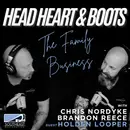


Hey friends, Brandon here. This one hit different. Chris and I sat down with Holden Looper, CEO of Blue Shield Environmental and second-gen leader in the Southeast Restoration family. Still in his 20s, Holden’s already building something of his own — with a foundation of grit, integrity, and values that run deep in his family’s business.
We talked legacy, leadership, and how to do family business in a way that actually works. If you're navigating the generational handoff or raising kids in the business, this episode is a blueprint for how to do it with intention.
[00:04:00] – Thrown Into the Fire (Literally)
[00:13:00] – Transparency at Home
[00:41:45] – Launching Blue Shield Environmental
[00:51:24] – Advice for Family Businesses
Thank you sponsors!
Liftify is for restorers who are looking to accelerate their online reviews. Consistent and fresh Google Reviews are critical to growing your online presence and establishing trust with your brand. Don’t leave it to chance; partner with Liftify and let them capture the feedback your team has earned.
https://www.liftify.com/floodlight
AnswerForce transforms the restoration industry by providing round-the-clock answering solutions. Their skilled team ensures no call goes unanswered, capturing and qualifying leads, scheduling appointments, and enhancing customer satisfaction. Benefit from industry expertise, scalability, and customized scripting while saving costs compared to in-house solutions. With AnswerForce, your business growth potential becomes limitless.
https://www.answerforce.com/floodlight
C&R Magazine is the industry’s oldest and longest-running media outlet. The team brings restorers all the current news, developments, education and resources that impact our business and the teams we lead. From print media to podcasts, C&R ensures the industry news you need is accessible from anywhere.
Actionable Insights. The Actionable Xactimate Profile by Actionable Insights offers live guidance for more accurate and complete estimates in Xactimate, preventing costly errors and improving your team's workflow. It's an essential upgrade for enhanced estimating accuracy and efficiency.
https://getinsights.org/floodlight
Did you know...
Only 30% of businesses listed for sale actually find a buyer? Even more striking, just 10% of those sell for the price their owners anticipated or higher, meaning only 3% of all business owners achieve their desired sale price. By focusing on understanding and enhancing your enterprise value, you can significantly boost your chances of joining that successful 3%.
Business Health & Value Assessment
Start AssessmentKnow Your Enterprise Value. See Your Potential Gaps.
Complete this assessment in less than 15 minutes and receive a free assessment for your business that includes:
- A Lite Valuation Of Your Business
- Your Value Multiplier Per Your Industry
- Health Assessment Per Our PYB Methodology
- Business Value & Growth Roadmap Tailored For You
- Value Acceleration Strategies
0:00 How's it going, man? You know what? I saw it on your face. Yeah, you knew I was going to. I'm gunning for that first word. It's getting kind of silly. And now I've noticed that this has been a pattern. Like, I don't feel like it's a one-off. That's true, man. It's just silly. Where are we going today? We've got a really great guest. You teed this one up. Oh my gosh. You guys ended up chatting it up, you and Wayne, with Holden at the recent AGA regional gathering for IA in Phoenix. And wow, I got to say, I didn't really have a hand in pulling him into the podcast, but what an awesome conversation we had. Holy cow. Top tier. And do you know how old he is? I don't. You know what? And I honestly, I was like, I bet you this guy completely gets sick and tired of people asking him how young he is because he's a young man, but bro. Yeah.
0:40 But you know, it does kind of matter and it is kind of remarkable. I mean, this guy has to be in his early twenties, early to mid twenties at the very, very latest, but just a stud. Incredible. And I think for those of you that are in family businesses as an employee or you're an owner or whatever, you're part of the family. this is going to be just jam-packed full of great stuff. Either one that you'll identify with if you're so lucky to be in a really healthy, vital family business. And if you're not, which I think is probably the bigger majority, you're in a family that's like, oh, we're trying to figure this out. This is hard. I think you're going to discover some nuggets that you can really directly apply to the relationships in your family business. Just so much good stuff here.
1:20 I know as a dad, like... It's deeply inspiring to be able to look at somebody who's been the product of great leadership. Yeah, that's true. Like great integrity. And I think many people listening to this already know of or know personally Ben Looper. Yeah. The founder and senior leader at Southeast Restoration, currently the RIA president. So those of you that had interactions with Ben, you won't be surprised by the content in this, I think. Yeah. I mean, Holden is absolutely clearly his own person. Absolutely. But you can see the influence and it's special and it's really neat to watch. And I think many of us, we didn't have a picture of what that would look like to lead and to run a family business in that way.
2:05 And this just provides a really clear picture of how some of the things you can do to do it well. So here we go. Holden, Looper, Looper. the CEO of Blue Shield Environmental and part of the Southeast family of businesses. So here we go. Let's go. Welcome back to the Head, Heart & Boots podcast. I'm Chris. And I'm Brennan. Join us as we wrestle with what it takes to transform ourselves and the businesses we lead. This new camera angle makes my arms look smaller than yours. I'm noticing that and I really appreciate it. I thought you did that on purpose.
2:45 No, I don't. I didn't. And I am not happy with it. All right, my man. Well, thanks for joining us, dude. When did we run into each other? We were at RIA's regional event, right? Arizona? Yep. Over in Arizona, ATI. Yeah, that's right. I think it was a moment in time that Wayne and I got to escape the UniCloud that hovers over the entire state of Oregon, it feels like, for a time period. And and run into you. And you and I, man, we were just kind of BSing back and forth a little bit. And all of a sudden I was like, oh my gosh, this dude is going to be perfect for the show. And then for those of you that can't see this, we've never actually gotten an outline from a guest before. So this is just a reference to the caliber of guy that Holden is.
3:28 No less than a two and a half page outline. No, it's like I could have submitted this for maybe a business plan. I mean, it was... I just graduated college. I thought that's just what you do in places. You submit things and you just submit homework. I thought that was what y'all wanted. Oh man, I love it. It's going to be fun. All right, well, let's get in. So, hey, we started out with this idea, right? That we were going to talk family business because you clearly are part of one. So I think we're going to start there and then we've already identified, I think some new direction that we want to take part of the conversation. But set the stage for us, man. Like give us kind of your family, like history. How are you even on the show and in the industry? Yeah, tell us about your small family business.
4:11 Yeah, so for y'all that don't know me, my name is Holden Looper. I'm from Canton, Georgia. Been in restoration my entire life. I started going to the office with dad, sweeping the warehouse before I could remember really, bugging him any chance I could get. And then I went on my first fire job when I was 11 and talked about being catapulted in. It was a fire job, total loss, renters, had no renter's insurance, and then an 11-year-old pops out with two by fours and a sheet of plywood ready to board their house up. So I just got like catapulted into it. And since then, I was like, man, there's no other industry where you can help people in their worst time other than like a firefighter or police or something like that. And I love building. So I kind of kept hanging out.
4:51 And then when I was 13, I started working on the back of the mitt trucks in the summer. I was the crawlspace kid that they would throw under the crawlspaces and sucking water every summer and winter break I could get. Tunnel rat in Vietnam. Yeah, yeah, yeah. Send the kid. Yeah. Exactly, yeah. And we can talk about it a little bit later, but my dad really wanted me to start at the lowest level and be the grunt and figure it all out and kind of stuff. So, did that. When I was in school and high school, I kind of went to a unique school. I went two days a week and homeschooled three. So, kind of like a college-ish setup. So, I had the opportunity to work while I went to high school, worked at Chick-fil-A, just because it was easier on the schedule. You can't really go to school part-time and be a mid-tech. So, yeah. wanted to get away from the family business, worked at Chick-fil-A, graduated.
5:34 Towards the end, I'd always kind of stayed connected with Southeast, editing videos for their training and helping Trent, our COO, just trying to figure out special projects and that kind of stuff. And then when I went to college, went to Kennesaw State for my bachelor's in construction management and got the opportunity to go work at Chick-fil-A Corporate down in Atlanta in their restaurant development department, helped build some stores, kind of strategic reinvestment, maintenance, that kind of stuff for the summer. And it's very irregular for them to ask any intern to stay on. But I was young enough, they were like, hey, if you want to stay on, go to school semester, come work here, and then you'll get a job when you come out. And I kind of met this inflection point of, I mean, anybody else in the world, like working at Chick-fil-A corporate is a really big deal.
6:17 but I just knew it didn't fulfill me as much as restoration did. So I turned them down, came back, worked at Southeast the rest of my college. I went to school at night and I worked during the day and I graduated in three years. So yeah, so I worked during the day and then I would go to school from like 7.30 to 9-ish at night. And so I did that whole thing. Came back and then when I graduated, we decided, hey, we think the next best step for Southeast, we saw a gap in our service offerings, a beautiful service restoration company and this environmental space of asbestos abatement and testing. And so we met a guy who's now my operations manager, Ben, and he said, hey, I really know this asbestos stuff, but I don't really know the business stuff.
6:59 I'm an operator, not really a business owner, and you know the Southeast systems and that kind of stuff. What do you think about it? And so back in August, we started working on it, and then we got catapulted, kind of ended the business with Hurricane Helene that came through in October. And then since then, we've just been growing and growing. We've now got 10 on our team. We're licensed in Georgia, Alabama, and Tennessee. And yeah, we're continuing to help Southeast and other restoration companies around here try to do environmental work as safe and compliant and quick as we can. Love it, dude. I don't know if you guys are picking up on this, but clearly communication is a soft skill that you have in spades, my friend. And this is one of the things that just hit me when I was chatting with you when we were out in Arizona.
7:41 It's like, man, concise, clear thought, knows where he's going. He's clearly driven. I've just really been pumped, man, to get you on here and just let the crowd hear you talk about your worldview and business because it's just absolutely phenomenal. It's okay if I dig in though, I want to maybe start us out on a part of your story. Are you going immediately? No, not yet. Okay. I don't know. Just hold on, hold on, because it's coming. Yeah, well, just, I mean, this family business topic, like we have so many clients that I think there's just so many family businesses within restoration. And I think it's frankly the dream, including myself, to one degree or another, like the idea of building a company that someday our kids may work in or whatever is like, I think something that a lot of entrepreneurs have.
8:24 you talk about getting started at 11 and then 13. And then I imagine there's lots of story in between or since, but how did your dad set that up? Was it just like, Hey, just your mom's going to drop you off at the shop at 8am in the morning. And you're just, I just, just get out on the trucks and do some things. Or was there a process? Like, did your dad kind of sit you down? Hey, I want you to come work in the business. Here's what it, you know, like, what was that like? You know, cause I think it happens different for a lot of different families. Yeah. Yeah, I think I'm a big family and business history nerd. Studied a lot of great family businesses, studied a lot of really bad family businesses. And my dad has as well. And I think he kind of knew from an early on, that's just what we did.
9:05 Like I have two sisters, an older and a younger sister, both separated by three years. So I'm the middle boy. So I just kind of always hung out with dad and always wanted to go to the shop with him and work. see the employees. I mean, back in that time, we were one, two offices and going shredding papers, highlighting papers that they didn't need highlighted just to keep me around. I mean, I would do anything they asked, kind of. And then once I got to 13, it was kind of the age where like summer camp started going away and my mom was, I was like, Holden has ADHD. I can't keep him here all summer. He's a wreck. You just need to go do something with him. And so my dad was like, hey, I don't, in Georgia, at least, the law is you got to be really like 15 to start working places legally.
9:49 But there's like some rules with family business. You can work if you're a family business. So I started working, yeah, when I was 13 in the MIT department. I mean, very early on, he was like, you're going to have to work twice as hard. than anybody else is out there just because you're holding. Like, it sucks, but you've got to work twice as hard. You've got to do stuff that nobody wants to do just because you're holding. And so, starting off like that, I mean, I knew I wanted to do mitigation just because it was the fun thing. You got to remove stuff and... suck water. But yeah, dad would drop me off in the morning at the shop. And then whenever we got back, I was working like 60, 70 hours back in those days, like in the summers. And my mom would sometimes if it was super late, I remember one night I was working with a guy, we had done two full basement guts that day.
10:33 We were coming back. It was just me and him. It was like 12 o'clock at night. She met us at a racetrack and he just like picked me up and rolled me out of the box truck and was like, I'm so sorry for working holding like this. And she picked me up at the racetrack and took me home. And so, yeah, that's what I did until I got a little bit older. And then once I got to kind of later high school, I got to start working at our support center with Trent, working on the special projects. I really found a niche in like complex commercial mitigation, like really large time and material billing, things kind of like that. You know, when a 13-year-old or a 14-year-old or a 16-year-old is told that, I can imagine internally that, part of you may have felt like, well, that's not fair. And there may have been times of resentment where you kind of resented having to always carry that burden, so to speak.
11:19 What was that like for you? And was that ever a wrestling match between you and dad? Like, that's not fair or anything like that over the years? I don't think it ever really got to that point. point where we were like frustrated each other. I just think I kind of knew and understand. And as I grew up, the business kept growing and I saw the weight of the business on my dad's shoulders. And I knew that I wasn't going to be an extra weight. And I didn't want, I don't want him to have to work harder and make up for me being not a hard worker or people not like him to work with me or whatever. The case may be, so no, I think just growing up, I knew that you got to work twice as hard. And it wasn't like a one-time thing. It was like, he told me pretty frequently, hey, you got to work twice as hard. It was like every time I went back to Southeast, he reminded me, sorry, you got to work twice as hard and do all the things that nobody wants to do just because you're holding and just because of our last name.
12:08 Like, you're going to get a bad rap. And I don't think I really appreciated it until I was probably in high school and I went back in a different capacity, not working on the back of the trucks. And all of the techs, the lead technicians and the guys working in the field really appreciated working for me. And when I started going on to these larger complex mitigation programs. Clans is kind of what I got into with this time of material billing and other special projects. I had a respect from them because I had done everything that they had to do. And I still have a great relationship with all of our field staff because I was there. I knew exactly what it was like to not know when you were going home that day and having to work on call and all that kind of stuff. So I think it was the right call, no doubt about it in my mind.
12:49 But I don't think it was ever a point of contention between me and my dad. It was just, that's unfortunately how it is. There's good things and bad things about family business. Yeah, yeah. That's interesting, your comment about, like, I didn't want to be another, right, burden for my dad. Like, okay, I'm curious, like, context, what age are you having thoughts like that? Because that's hard for me to believe that a high schooler, right, or younger is really, and that's not bagging on a high schooler, but I know what I was doing in high school, and I wasn't looking at my dad and being like, I really don't want to be a weight on that guy's shoulder. So when was that showing up? Yeah, I don't think many teenagers are thinking about the burden they are on others. Yeah. Yeah, no, and I don't think it was like I saw my dad super stressed out pulling his hair out.
13:31 I just saw the magnitude of the business and the influence that my family had, and I wasn't going to be a reason. I didn't want to negatively tarnish that reputation or legacy that he had created. And so, yeah. Was there a lot of communication at home around those ideas and concepts? Like, was business open dialogue at home, or what did that look like? Yeah, I think for better, for worse, you can ask my sisters, they probably think about it a little differently than I do. But I mean, that's just what you talked about at the dinner table. I think it's very healthy for families and business to talk about the business. There is a quote that I heard when I was at Chick-fil-A The health of the business does not always determine the health of the family, but the health of the family can greatly determine the health of the business.
14:12 And so my sisters are still not directly involved with the company, but they still show up to our big events. My mom is my dad's executive assistant, and so she does his emails. So it's a very much so family affair. And like I said, right, wrong, or indifferent, we might do it too much. too much sometimes. But yeah, I mean, it's a very open thing about what's happening at Southeast, what's happening in the locations. And even at a young age, they did not stray away, which I think is important from the hard things, whether it be having to close a location or fire somebody that I knew or let them go or, hey, somebody made a really bad mistake and their last day was today. They never really steered away from those conversations from us. I mean, I think it really benefited me now because I've kind of seen those things through growing up and seen my dad invited me to leadership team meetings and stuff like that when I was young, just to see how it goes.
15:02 So now when I'm presenting to the leadership teams, I've known those general managers for my whole life. They're like uncles to me. So... I think starting your kids out in the business at a really young age is really important. That's so interesting. Yeah. I was blown away. So in those earlier years at the dinner table, like, were these intentional conversations or was it just learning by exposure for the most part? No, I think it was just what we did. Like, that's just the life we did. Like, hey, what did you do today at work? It wasn't always about that kind of stuff. Don't get me wrong. But I mean, yeah, I mean, that's just what our life was like, like, the business was a very big part of our life. My dad worked really hard at it and we knew it. Were there patterns of behavior or certain things that you observed your dad doing consistently?
15:47 I mean, you spent a lot of time with him and obviously you're very active in the business. That like behaviors or standards or disciplines that you observed your dad having within the context of the business or his personal habits and stuff that you ended up adopting and still sort of leveraging your own leadership today? Yeah, there's, I mean, there's a bunch of them that can come to my mind. One really simple one that I knew growing up is my dad, not that he doesn't like alcohol or doesn't drink. He's got, between us, one of the greatest bourbon collections I've ever seen. But whenever he was in a Southeast shirt or he drove a Southeast truck, He would never get behind the wheel if he had a drink because he never wanted even one drink.
16:27 If he got pulled over to tarnish his reputation or the company's reputation, if he got put on a mugshot website somewhere or in an industry event, you'll never see anybody with a Southeast or Blue Shield logo at any of the happy hours with a drink. Not that we don't like it. We just don't. don't think it's worth tarnishing a reputation and snowballing. And it's easier to say, hey, we're just not going to do that. And selfishly, we've saved probably thousands and thousands of dollars at company events, not having to have alcohol or anything like that. But that's like one little... One little thing that he did, also he never travels alone with a lady other than my mom. That's a big reason why she's his executive assistant now because they can travel together and it's easier for them.
17:08 But driving together in cars as simple as, hey, we're going to lunch. Somebody's in my car other than my wife. You got to have more than one person. So little things like that, just to guard our hearts, it's really easy to slip into that. So guarding our hearts, guarding our morals, little things like that. I respect that a lot. Big time, dude. Big time. Wisdom. Yeah. I'm kind of wondering, like, as you know, growing up in this environment, it's like an incubator for opportunity. It feels like, you know, at what point did you kind of look to your left and right with fellow students and say, I'm not exactly like the masses? Like, was that always obvious or? Yeah, you can call it an incubator for opportunity or failure. I mean, you're going to go one way or the other.
17:50 But yeah, I mean, one really practical example. I was a junior in high school. I played soccer all growing up and I got to my junior year and was like, I'm not going to be an MLS star. I'm not that good. I probably couldn't even play in college. I enjoy it. I enjoy playing with my friends, but I'd much rather make money and set myself up, work at a different company like Chick-fil-A, learn their values, then play sports. And so I decided I am not going to play sports after my junior year of high school because I wasn't going to be a professional MLS player, but I was going to be a professional somewhere. So I thought, hey, probably should start working instead of doing sports. That was one thing that I can remember switching up on. So cool.
18:31 Did you have like a sounding board in your dad? I mean, this is almost like kind of steering a little bit, but man, that's like, was that an intentional opportunity for you to be coached a little bit in terms of some of these strategies, the way you're thinking about the world? Or was it all just mirrored for you? Or what did that influence look like? No, I mean, I don't want it to seem like I was in a boot camp to become an executive. That's not how my life was. I was a very normal kid. I went to school, and I just think I really enjoyed working, and I really enjoyed the family business, and I really enjoyed restoration. And so my dad just always hung out with me, and that's what we talked about. We talked about what the next thing Southeast was doing or what. projects that were going on.
19:11 That's just kind of how he operated. It wasn't like he was reading me the seven habits of highly effective leaders every night when I was 10. It wasn't like that. It was just growing up, that's just what me and him did. I was just very interested in it and he kind of included me on everything. I've got some families in my mind right now, just folks that we've had the honor of working with over the last few years. And I'm just thinking, we've watched them do their own generational shift where they're the ones taking over the business. And many of them are at that age where they're beginning... and have started their own families. And it's like, I'm hearing your words and part of me is like thinking about some of those families and going, man, their little incubator program is about to start.
19:54 Like their kids are going to start showing up at company events and having an influence and starting to pick up on what's going on around them. And I think it's what's really neat is when we hear, you know, a man like you talk about what that meant and ultimately how it influenced the early trajectory of your life. I think it's like, wow, what a cool opportunity that we have when we have these kinds of companies to expose our kids to just some really great battlegrounds to learn some really important lessons about life. impact. Along these lines, man, I'm just so curious. And it's not like we're trying to dig up dirty laundry here. But I think just the reality for so many business owners is there are some really, really dark times that you go through. Oh, yeah.
20:35 Whether it be financially, right, where it's like a struggle to meet payroll, taking on debt, filling up the line of credit. Like there's these periods of time that you go through where you're scrapping your They turn to substances and things to try to manage that stress. And of course, that has its own impact on a family, potentially. Can you talk about just your experience of the really hard times growing up? And what did you learn through watching your dad and your mom navigate those things as a family in the early days? Presumably. Yeah, I mean, yeah. Recently, you've experienced challenges and hardships, but... Yeah, I mean, I can think, I mean, Southeast isn't today what it was growing up.
21:15 I mean, my dad started in a single wide trailer with my mom and we moved into a small house. That's where I was born and had a really normal upbringing as kids. We didn't really know what Southeast really was outside of knowing immediately what it was like in the industry or anything like that, or size wise or anything. And I remember times where my mom was like, hey, dad is going to Southeast is a little slow right now. Dad's going to cut back his salary a little bit. And I just wanted y'all to know that. So we're watching it. Nothing to be scared about, but like, hey, he's putting his own salary on the line to help Southeast grow. And then there's been really, really good years, too. So, I mean, those are a couple things I can think of. We've had family in the business that not directly nuclear family, but community.
21:56 We had a family member that was a general manager of one of our other locations that didn't work out and my dad had to let go. And I remember that being like a really hard time in our family's kind of business journey because how do you let your uncle or nephew go from the business and still keep in contact with them? We had a very close family friend who referred to somebody that was in their family. Some stuff happened and they had to be let go. And when they're your closest family friends and you have to let one of their relatives go, it's tricky. So... Yeah, I mean, it's not all good times, but me knowing that, like I knew everything that was going on growing up. And so I've seen a lot of it. I've seen techs that I drove with in the box truck that failed drug tests later on in my life that I'd ridden with for years that failed drug tests.
22:40 And we had to let them go just because they couldn't get back on the wagon. And so, I mean, that's really hard when you work with somebody for that long. And then out of the blue, you find out, hey, they failed a drug test and you got to go. They just got let go and you had a relationship with this person. And so... Yeah, it's not always good times, but I mean, I think that's kind of what made me and I've learned from those experiences. But yeah. Sounds like you guys never hid anything from each other. Yeah. And there was a lot of stability in that because it sounds like from what you're saying, your parents were so transparent about what was happening in the company that bad things happen, good things happen. It sounds like you're saying you just kind of learned that we're going to get through this. Like, this is another thing we're going to deal with, and we're going to move through this, and it's going to be okay.
23:23 Is that kind of the general sense that you had growing up, is that hard stuff happens, but we're going to figure it out? Yeah, I don't think they ever sheltered us from information. They might have not shared the full truth of what was happening, just for specific things. But yeah, they were very open with us on how things were going in the business. We never really shied away from that. Most of the time, I knew before other people leadership team members or things like that, just because that's what was happening in my dad's world that might not have affected the company yet that I just knew about. And so I was like top secret certified since I was a little kid because I knew a lot of things and future plans for Southeast that no one else knew. I might know somebody was getting let go or somebody was getting a promotion before they did.
24:03 And so I always respected the privacy of the information and never really shared it. But yeah, they were very, very transparent in all the information kind of growing up. That's just how I grew up. I didn't really know there was a different way to do business until I kind of got older and found that's really not how things go most of the time. Yeah, I think unbelievably not so, right? So, okay, so that takes a lot of kind of interpersonal skill though. So like, can you point towards some of the things that was teaching you that to have that ability to say like, this is just information that wouldn't be great for me to share? I mean, when you're young, those are difficult things to keep front of mind.
24:43 Yeah, I mean, there was a phrase I can remember my dad always telling me. He's like, hey, I'm going to tell you this, but if I find out you tell anybody, you're not going to hear anything like this again. And so if there was something that he didn't want me to share, he would kind of preface it and be like, hey, I'm letting you know something just to keep you in the loop or let you know what's happening. Yeah. But you can't really say anything. Or once you break that trust with me, I'm not going to be able to keep sharing these kind of things with you. And so I never really wanted to break his trust like that. And so I always kind of respected when he would tell me something like that to keep it to myself. And AnswerForce. We tend not to give the attention to our call intake that I think we really ought to have as restorers.
25:25 And of course, one of the biggest challenges we have with our call intake, whether it's an in-house receptionist or a service like AnswerForce, is what do you do when your receptionist goes out to lunch? Well, AnswerForce makes that very easy to solve for, right? They're 24-7. You have a receptionist or a call intake person that's out for maternity leave, out on vacation, etc., etc. AnswerForce has a solution to all of those things. And I think, too, it also solves for us having a very consistent, repeatable call intake process. We all know how important that is. 100%. And the cool thing is actually we just hung out with these guys and they let us know, let us in on some big feature updates that have recently been pushed through the system. So first, verified contacts, right? So verified contacts, basically it allows the system to understand that this is a repeat caller.
26:09 And then it allows them to auto capture and fill those details as part of the intake process. So smoother, more professional intake. much easier to kind of give that client that impression. Hey, this isn't the first time you've called, right? Yeah, and we'll listen to the rest of these sets because I think they're super applicable to our commercial opportunities. So specialized scripting, okay? This is great because this is everything from holiday shifts, after-hour shifts. I mean, you name it, there's different reasons, right? Or different layers of the cake, if you will, just based on scripting. what's going on in terms of call volume, what's going on time of day. And so with specialized scripting, the script then will match that. And so it's shifting live, if you will, along with that kind of richer context of what's actually happening in the business.
26:52 Then this other thing, I thought this was super cool, is dedicated phone numbers. So going back to that repeat client or that key client or customer, we now can associate a specific phone number to them. And so what happens is, is they get received. very uniquely, right? So I can imagine creating a custom script for that client. We now can recognize a repeat caller and autofill and speed up their intake. And then on top of that, there's a specialized number that's dedicated to them. So you really get to marry up that professional service offering, right? That we're promising, if you will, during the prospect And right from the jump, if you've got a commercial client with specific needs or specific expectations, build that into the script at call intake.
27:35 Yeah, it's super powerful, super powerful. Another one is just access to information wherever you are. So I don't know how many of you are already currently using AnswerForce. You should take it seriously in terms of getting a demo and checking them out. But if and when you shift over to them as a partner, the cool thing is now is that you've got access to all this data, all this information on the go from anywhere on your mobile device. You can literally check inbound, outbound calls. You can listen to recordings. So actively coach the team kind of like midstream, right? And so again, just a ton of efficiency, a ton of automation and just higher levels of customization coming out of AnswerForce. And it is so stinking affordable.
28:15 This isn't just for big, multi-million dollar companies. This is for you that's still working out of your home shop, your garage. And it's also for you that are running a $25 million operation with four locations. It's just, it's pretty extraordinary. They work with some of the biggest companies in our industry and many of the smallest ones as well. Okay. Actionable. So guys, we have talked about our friendship and relationship to these guys for a long time. Many of you know, in the recent probably year, and over the last several months, just this hyper focus on the efficiency and quality of our estimating, right? Like at the end of the day, our cash flow is heavily impacted by our team's skill and competency around writing a really comprehensive sheet and really making sure that the scope is accurate.
28:59 And one of the powerful things that Actionable has is their actual Xactimate profile. And this profile is a live AI tool that's monitoring you as you write the estimate. And as you're implementing specific line items, it's helping you be sure that that you've really taken into full account all the individual elements and line items associated with this element of the scope that you're trying to accomplish. And I'm not going to highlight any specific teams, but we have heard robust numbers from teams using this. We're hearing anything from 5%, 6%, even 8% top line growth, specifically from the quality of their estimates increasingly. I remember when they rolled this out to you that one of the use cases or part of the value that they were trying to hit on is the ability for us to bring up a new estimator quickly up to the standard and competency and the results ultimately of the more experienced estimators on the team, right?
29:56 So this is an incredible onboarding and training tool to get somebody up to where they're very, very competent and producing quality estimates just that much faster. Way faster. And just one last thing I kind of want to hyper-index on is they have just an absolute boatload of white papers and F9 supporting notes. And so this is something that you could participate in being a member with Actionable Insights. But guys, we all know that getting our estimates approved in that negotiation phase is hard right now. It just feels like every carrier is significantly understaffed. They're fighting for error. We're fighting for error. And anything we can do to reduce that friction is better. And so the better we are at providing really good support for what we're calling out in our scope and why we're calling for it, the better.
30:41 And so these white papers, these F9 support notes are super powerful. Man, it's been a little while, but we've been kind of refueling the relationship with CNR quite a bit lately. And that's been good, man. I think both teams got so dang busy. We had a tough time kind of locking in and getting some face time together. But the team over at CNR has been great for our industry, you guys. You know, we've often referred to Michelle as a friend of the industry. She really is keyed in on giving us what we need in terms of tools, communication, intel on the industry, communication. And so we just continue to encourage you guys, participate, make sure that you're receiving your quarterly copies and that you're getting all the online content that just comes in boatloads from their team.
31:23 So CNR Magazine, guys, pay attention, make sure that you're participating and getting your intel from that team as well. Liftify, bro. Yeah. Liftify, you know, it's interesting. Yesterday, I was just seeing one of our clients was getting awarded their 750 Google Review trophy. And they were already talking about hitting 1,000. 1,000. That's right. Which somebody has done. Yes. One of our clients has done it. It's remarkable. And I think the most remarkable thing that people are discovering, and we're seeing this every single day with our clients, is that when you start upping the volume of Google reviews you're getting consistently week after week, the recency, when you're getting the recency dialed in and just meaning every week you're adding Google reviews to your profile, dramatic jumps in organic results.
32:10 phone calls and lead gen. And of course, who doesn't want that? Every single one of us, including Floodlight, we want that. And that's why we've indexed on, we use Liftify to build up our Google reviews. So it's a simple turnkey service. They've really created a process for capturing the most quality Google reviews from the jobs that you're already getting. So if you want to get more work, grow your revenue just off of the existing work you're already getting, Liftify is a big part of how to do that. And it's simple. It's very, very cost effective. From our experience with Liftify and what we've seen with our clients, significantly better value and better results than many of the other platforms that some of you might already be trying.
32:51 So if you're not happy with the number of Google reviews you're getting, you need to reach out to Liftify. And I think as a point of reference, it's worth us saying. Liftify expects 20% to 25% conversion. So think about that within your own numbers. If you're doing 1,000 jobs a year, you should be adding 200 to 250 Google reviews to your profile every single year. If you're performing under that, you owe it to yourself to reach out to liftify.com forward slash floodlight. You know, one last thing to add to that as part of their kind of more recent integration of AI or advancing that integration of AI, one of the big focuses for their team is gathering more information live project data and analytics for you guys. And so really what this is focused on is equipping all of us to create better customer experiences.
33:36 So not only are they keyed in and driving Google reviews for us, but now they've actually turned the corner and began developing toolkits for us that use Liftify to actually be getting information that can help us modify our service delivery to create better client experiences. Super powerful. Midstream. We're talking mid-job, yeah. Wow. Super powerful. All right, liftify.com. All right, guys. Thanks for hanging out with us. Let's get back to the show. If it's okay. And obviously, you know, Holden, you don't have to answer this, but we're going to go back a little bit, non-business for a moment. What was happening? What kinds of things was your dad doing, or can you recall dad did that built this kind of almost a follower?
34:21 Like you were really paying attention. You're really admiring him and his character. Like what was happening in your guys' relationship that created that? I don't know. I think honestly, it was just a blessing from God. My dad's still one of my best friends and he has been for a long time. He was my coach growing up and he was always involved. He never missed events for us for work or anything like that. Even recently, he's the RIA president currently. He's got a couple more days left until he hands that down, but he wouldn't do it until my younger sister graduated from high school because he didn't want to compromise missing events and stuff like that. So he was always very involved with us. And I think that's just how he grew up. I can't really point back to one thing, but he's always been kind of a mentor in my life.
35:04 And that's just me and his relationship. I haven't really, there's nothing I can really point back to to say this is what he did. It was the thing. He was just intentional. Yeah. So even in the busyness, because obviously when you're a kid, right, like he's in the midst of building and grinding the foundation of the business and somehow dragging you to the shop or whatever it was, he was able to continue to show you he's prioritizing his family, you specifically. Yeah, part of it was bringing me to the shop. Like, hey, I got to go work on a Sunday afternoon so I can get caught up before Monday comes. Or, hey, I got to go in on a Saturday. Or, hey, it's your break, and I know I want to hang out with you, but I got to do work, so might as well come to the shop with me and hang out and bug all the other people in the offices.
35:47 But yeah, I mean, Southeast has just kind of been our second family my whole life. A lot of the people here know that. One of our earliest employees, she's literally known as Aunt Jill to me. Like she's worked for us for 25 years and I just know her as Aunt Jill. And she comes to Easter and Christmas and like, that's just, she's Aunt Jill. So I mean, it's a very, it's just been a very family thing growing up. But yeah. It's such a healthy. It's so cool. It's just a healthy backbone across this entire story arc. And I think sometimes we hear stories like this, and I'll speak for myself. I hear stories like this, and I think to myself, some of the things that I did or didn't do with my kids growing up, and there is a sense of, there was something special your dad paid attention to.
36:28 So even though it's not the one thing, there's a theme in his character and the way that he prioritized certain decisions. And clearly it had this long-lasting positive impact I mean, the caliber of individual you are speaks, I think, in and of itself. But then just like this, just a very high integrity and your willingness to work hard and be in those uncomfortable positions and not really have a crappy attitude. Now, I think what we have to do at some point is get Ben on the show and be like, okay, tell us the truth. Yeah. Really like as a kid. Yeah. We'll do a duo podcast. That's right. We'll find out. We'll swap stories. Okay, so I'm interested. So we've kind of been hanging out in this kid portion of this.
37:09 Obviously now, though, you are an active business owner. You talked about that very briefly. You're in the throes of building your own organization that's partnered with the team at large. Start to move into that with us. In terms of now, are you recalling some of these experiences and now able to apply them more intentionally now that you're at the helm of your own organization? Yeah. Oh yeah, I mean I think it was probably five plus years ago. Southeast Holding Group is the parent company of Southeast Restoration Group and there's four partners and they're like my uncles kind of because I've known them my whole life. And they kind of figured out, hey, to do this full circle restoration thing we need to have some more service offerings and we're going to strategically partner with people.
37:53 So we opened a contents division, we opened a textiles cleaning division. Wow. And then when I graduated, they were kind of looking for the next thing for me to do. Was it going to go be where I'd worked in complex commercial claims for mitigation for a while? And those come in and when they come in, they're really, really big and really, really tricky. But we didn't have enough coming in every day that it was like enough to staff a full-time position for that. And then we just, Ben kind of fell in our lap and they had known eventually we might want to do asbestos abatement. There's not a lot of companies in our area that do residential. You can find asbestos abatement contractors, but most of that is like hard bid commercial GC stuff. Not a lot that's specific to insurance restoration who know the claim process, who use Xactimate and all that kind of stuff.
38:37 So they kind of knew the industry was shifting to that. We just didn't have a lot of service providers. And so they said, hey, You know the systems, you know the culture, you've been ingrained with it. We know you're young, but we think you're the right guy to go and start this new company with Ben. So we started working on that last August, and then Hurricane Helene hit. And thank the Lord, our license got approved. It's the craziest thing in Georgia. You have to work with another contractor to get experience before you can get licensed as an abatement contractor if you don't have experience. So I had to go find a competitor to let me work with him and him sign off on all my supervisor papers. I found a guy to do it and then Hurricane Helene hit and we had 35 jobs that came dumping and hundreds that we had to go test and work with our hygienist.
39:22 So we kind of got thrown into it, thrown into the deep end to figure it out. And then January we switched over to the new company of Blue Shield just to kind of expand our service offering. And now we've got a team of 10 and we've just been going. But yeah, a lot of the same backbone and culture of Southeast, it's still the same thing. family of companies. We had our big annual meeting yesterday for Southeast and all the Blue Shield people are there and the textiles and packouts people are there too. So it's still same family, just different logo on the chest. So Holden now as a business owner, business executive, like how do you continue to grow and learn? Like are there podcasts, books, like public figures that you sort of look to for inspiration and that kind of stuff?
40:02 Anything Yeah, jokingly, I mean, Southeast, they joke, they're like, we're a leadership development company. We just get funded by construction to be able to do that kind of stuff. And so we have, I mean, I think we have four or five different programs, specific programs for leadership development. I just went through that. One of them, which was Emerging Leaders, where you read through seven-ish books and go through and kind of learn about yourself, learn how to time manage, all the things you think about. So reading a lot, I've done all the certifications I can think of. I've got like 40-something now. I mean, I'm triple mastered as of this month. I've got all the asbestos and lead disciplines I can pretty much get. I mean, all the industry knowledge I could get.
40:47 I worked really hard since... I was 16. That's when I started my IICRC classes. And then I finished them up in this last little span before we started Blue Shield. I wanted to get those classes kind of knocked out, and I just finished my last one a couple weeks ago. So yeah. Congratulations. That's an achievement. Wow. So you were 16 when you started your IICRC? Yeah, I took my WRT when I was like 16. They had to call the exam place because they were like, is there an age limit on this? It was funny. They had to call them and ask if it was okay if I took it. They're like, we don't have anything that says you can't. But yeah. Phenomenal. That's phenomenal. So what has it started to shift for you in terms of some of the examples that you're setting for your now downline team?
41:31 Like what's that? I don't know how to phrase this, man, but it's like, what are the kind of like those core principles that you took right to the front of the line? And it's like, hey, if anything gets passed on to my team from a leadership position, it's going to be these things. Like what are those? Yeah, so that's probably been the hardest part of my seat as general manager because I've seen Southeast work at things for 25 years and then they're like, hey, you got four months to instill the best of it into this small little team. We got a different accounting system, we've got a different project management system and it was like, hey, how do we get all of... The great things about Southeast distilled into this new little company. So I've tried doing, I mean, at the core where your Christian values, Southeast Colossians 3, 23, whatever you do work for it, as if you're working for the Lord, not for man.
42:15 And so, I mean, Our team, we start huddles off, we start meetings off with prayer, and it's all about that. But all of the business things like huddles and something that we're really big on at Southeast right now is Teams and Microsoft Teams and the task and the reoccurring task that we've really tried to instill into the new team at Blue Shield to help us stay organized and that kind of stuff. book reviews. We're trying to get spun up with Blue Shield. But with all the little minor differences, we're still trying to figure it out. I mean, don't get me wrong, we're still really young and we're just scrapping every single day to try to figure out how to get everything done. It's a blessing to have Southeast and get all these jobs in. And it's also like, there's no slow ramp up. It's like, hey, you're turned on, let's go.
42:56 And you're held to the standard that the company that was there 20 years before us had been holding, you're held to that same standard day to continue to instill a lot of the things that make Southeast great. We're trying to still instill those into the new company. How do you balance that, man? It's tricky. I'll let you know when I figure it out. Yeah, when you figure it out, you'll send us an album like this? We'll have a part two to this thing because I haven't figured it out quite yet. What's personal life looks like outside of work? Is there such thing right now? Oh yeah. Yeah. So I married my high school sweetheart in November, Maggie. We had, she's my only girlfriend. We dated since we were in high school and went through college.
43:38 We went to different schools and still dated. Our parents grew up right down the road from each other, like two minutes and we never knew it until high school. And I met her at Chick-fil-A. Some people say it's like meeting a girl at Chick-fil-A is like church. Like if She's gone through the Chick-fil-A interview process and she's probably pretty good. So yeah, married Maggie back in November. We live pretty close to the shop. I've gotten back into golf. My dad, he had cancer in his shoulder back when I was younger and he's gone through probably seven shoulder surgeries. And some of his most recent ones were when I started college. And when I got to college, I was like, hey, I'm going to pick up golf. I played a little bit in middle school, but I was like, I'm going to pick up golf so that when he gets rehabbed, I'll be able to compete with him. And I still can't compete with him.
44:18 Like he's, insane. But he had the shoulder surgery before last. He had gotten a dislocated. He had to go back and redo it. And he shot like six over with a dislocated shoulder and whooped my butt after like practicing every day for like two years. But so I'm still working. I'm still working to beat him at golf. But yeah. So you're finding time. I think that was actually one of the jokes that Ben had told you guys at RIA. He said something about the fact that you were somehow still finding some time to be able to go out and do some golf. Yeah, yeah. That's actually pretty fun. It's funny. It's families in business. You schedule all your vacations around industry conferences. So next week... We're going to RAA. My sisters and my mom and wife are flying out Wednesday.
44:58 We're going to Disney World. That's our summer vacation. It's like attached to RAA. Me and him took a couple days PTO, got to play in Arizona for some golf right before that conference. So yeah, it's way easier now, I would say, because when I was in school, I would work from 7 or 8 to 4.30 at night, go to school from 4.30 or 5 to 7 or 8 at night. So there was no time to do anything except weekends. And so when I graduated, I was like, hey... I got to find some stuff to do. I got all this time on my hands now. I don't have to do schoolwork and homework on the weekends. So yeah, graduating, that's been the best part is not having to do anything after work, start the second full-time job. You got your half your life back. Yeah, that's right. That's right. Yeah. I'm super curious, man, with Maggie.
45:39 Did she know ahead of time then? I'm assuming she did. She knew what she was getting on for? No. No. Very intimidating. That was, it was interesting trying to, and still, she's still figuring it out. Like, she came to our annual meeting yesterday, and she's like, wow, you work at a really cool place. And I'm like, you've been around us for five years now. You didn't know it was kind of a cool place? Like, you didn't know what I was doing? She's like, I had no idea. So, I mean, yeah, she's still kind of figuring it out, but yeah, she, she's kind of figuring Her family is just like, I guess, regular people. And both of her parents have regular jobs and not family businesses. So it was very different coming into a family business and probably pretty intimidating. You'd have to have her on here and talk about that. But yeah, I mean, she didn't know what she was getting into, but she's been a trooper and she's great.
46:22 She talks to everybody at Southeast just like she's known them her whole life and just like I do. So yeah, she's awesome. That's so cool. I am kind of curious. I know we've been hammering you with questions. No, you're good. Keep it going. As you look into the future, and obviously you've got vision that you've cast for yourself in terms of what you plan to build at Blue Shield and all that, but what are kind of like those future-casted, I don't even know if that's a correct phrase, in terms of these core values that you want to begin, not begin, continuing to push out in front of you and allowing those to drive the business and your business decisions? Yeah, from a core value standpoint, I mean, I think really hard workers who are really smart and humble that center themselves around Jesus, like that's what I want to be and I want my people to be.
47:09 And then I think everybody else, everything else kind of falls into line. But in terms of just the future, Dabo Sweeney says, the head football coach at Clemson says, bloom where your feet are planted. And so that's something my dad tells to me pretty often when I can try to get Be the best, when I was in high school, be the best video editor that Southeast and any other restoration company has ever seen. Even though I knew I didn't want to be a video editor past high school, he was like, hey, while you're doing it, you're going to be the best video editor. Hey, you're going to be the best guy sucking water of any carpet that we've ever had. Like it was just, hey, while you're doing what you're doing, we'll figure out the rest later on. But just while you're in your seat right now, just be the best that you can be at that specific task.
47:51 And then we'll figure out the rest is when we get there. is something that he's instilled in me that I'm still working on because I like to get ahead of myself quite often. Yeah, I would assume somebody with your drive has a problem with that. Oh yeah. Okay, maybe this is the last question. Every time I think that now there's something to throw one more at you. Keep it going. What are you doing that has not been instilled by dad? At what point are there any moments where you're like, I really appreciate that I learned that and I'm not going to do it that way though? Ooh, yeah. It's like a test for Ben. Yeah, I don't know if there's any, I mean, I'm really trying to think, I don't think there's anything that I've like decided, yeah, I'm not going to do it that way. Not to say that he gets everything right, but nothing's really jumping out at me that's like, yeah, he's doing that and I'm just not going to do it that way.
48:37 We see Ad Ad pretty close on everything. Let me ask another form of that question. Yeah, keep it going. I'm just curious, with you having all this history with Southwest, like, did I just say Southwest? Southwest, that's the airline. We're Delta people in Atlanta. Yeah, we're united folks over here. Are there things that come up for you that like fresh vision where it's like, okay, this is what Southeast is today. But have there been these moments where you're like, oh, but we could totally grow in this area. Or there's this other thing that I see that doesn't currently exist and wasn't a part of your upbringing. Are there plans in your mind or vision in your mind to, I guess, deviate from or add to?
49:19 Yeah, I think when I started, so Southeast went complete opposite of a regular restoration company. Most restoration companies you see start in carpet cleaning. They then throw some fans on the truck and call themselves a mitigation business. And then they're like, oh crap, now we've demolished everything. We probably should put it back. Let's figure out this reconstruction. Southeast was totally opposite. My dad was a GC first. He did restoration and rebuild. And then back in the 2010-ish era, he bought a mitigation company local to us. And that's how we started mitigation. So they... None of the partners to date really have a background in mitigation. And I think that's why he wanted me to start there, because they just didn't understand that side of the business.
50:01 They don't have a ton of certifications necessarily in the industry because they really didn't need it at that point in time. And so growing up, I think mitigation was their big area for opportunity that hey, we never really figured it out the right way, but I think we want you to head down this area, which is now bloomed into environmental work that I'm trying to still figure out to this day. It was this big, bad, scary, super legally, we're going to go to jail if we do it wrong. And then once I kind of started breaking into it, I was like, I don't really think it's that bad. I think we could do this pretty well, actually. It's not really that different than mitigation. You just got to have more licenses and more red tape to jump through, but I think we can handle it. And so I think probably more service offerings to become more full circle restoration throughout the whole process to where a client signs up with Southeast and the family accompanies the Southeast, carries them through the whole process that we can control the narrative of how we guide them through that process.
50:53 I think it's probably the future for us. Yeah, right on. Frickin' killer. Yeah, it's so cool. All right, as we're wrapping up, man, advice for all the family businesses, because there's many that are listening right now, and I have a strong suspicion that it hasn't sounded exactly like the picture that you portrayed. What is two or three things that these family-owned companies, regardless of where they are in the journey, could do immediately to begin having a more healthy impact on that familiar relationship inside the business? Yeah, I think I've probably got a couple. I worked with the Cathy family at Chick-fil-A. They're probably the best family business in the country. Find me a better one. From a value standpoint to a continuity, a generation standpoint, I mean, they're awesome.
51:37 And while I was there, I actually got to... become a mentee of their head of family office. And I asked him a ton of questions. I just looked him up on the directory and I was like, hey, let's meet. And so me and Ryan have hung out a couple times and he's a good friend. But some of the things that they do that I think is important is you pay your people what they deserve, not because of their last name, so you pay them for the job that they do because it gets into a really unhealthy place. If you're overpaying for family, I think it's really important that your kids are called into the business. Don't force them into the business. My two sisters were not called into the business. They might have thought they wanted to come into the business, but they didn't have that heart and the want to behind Southeast and the really drive.
52:18 And if you don't have that drive, then it's exhausting and it's just not worth it. Go do something that you're really good at and it drives you, but don't come into the family business if you're not called into it. I think involving your kids at a really young age is really important and showing them what you do and bringing them to conferences and introducing them to people and showing them what you do is important, getting them interested in it. Yeah, I mean, those are a couple little things. Transitioning, something I saw Chick-fil-A do really well when I was there. Dan Cathy, the CEO, the old CEO, Truett's son. transition to Andrew Cathy, and they call it like the baton passing, because in an Olympic race, when you're passing the baton, there's no loss of momentum when they're handing that baton off. And that's really important, I think. And one of the things that jumped out to me is they said, you can't wait for the current generation to be ready to pass the baton.
53:05 You got to pass the baton when the next generation is ready to grab it. And so that's something that I kind of stuck onto and something where I'm not yet ready to grab the baton at Southeast and probably won't be for a while. But I think if you wait too long in the old generation, you lose some of that innovation and spark and drive that the younger generation might be able to bring to the business. Man, I think that last one, guys, if you're listening, is really interesting. I think that that's a difficult commitment to make because there's lots of question marks about the family, the dad, mom, whatever, that owns that business. How does it relate to their retirement and their post-career plans? I think it's gray. It can be super complicated and I think those words are really interesting.
53:50 It really is succession planning, essentially, and getting that journey started. sooner rather than later could have some really profound impacts on the business for good. Yeah, and I think probably I'll close on this. Something that me and my dad have done that I learned from reading in books and about family business, how to do it the right way, is in my mind, he's got three hats. He's my dad first, then I'd rather go work somewhere else than tarnish a relationship with my dad. So if anything happens at Southeast, I'm like... I'd rather go work at a gas station down the road than not be able to have a bad relationship with you. And then second, he's my boss currently. He was not my boss until January, but he's my boss. So there's some times that he's got to put the boss hat on and be like, hey, I'm telling you to do this, not because you're my son or I'm not trying to teach you a lesson, but this is the way it has to go because of the business.
54:36 And then he's a business owner, third, and he's the partner at Southeast Holding Group. And he has to make a strategic future decisions that I might not understand. And so we're pretty good about like, hey, is this Holden, I'm your dad, and you did this wrong? Or Holden, I'm your boss, and you did this wrong, and you need to go fix it? Or, hey, I'm trying to teach you a lesson. And I think I know people in the industry who have gotten those hats mixed up or the order of importance of those hats changed. and it's tarnished their relationship for years and it crushed family businesses because they put the business owner before the dad or they put the business or the boss before the dad and it can just really tarnish a relationship when you start miscategorizing those hats in the relationship. Holy cow, man.
55:17 That was a perfect wrap up. Holden, thank you, sir. Thank y'all. I've been a huge fan of this. This has been super fun. Oh my gosh. Yeah, man. That was well worth people's time. So hopefully you were following along in the truck cab on the way to your next job because it's weight in gold. Thank you very much, man, for joining us. We know that you're a busy man right now. Looking forward to following along. We'll obviously see you and the gang at RIA most likely. Really honorable man. It was fun. What an unbelievable story. You're an impressive dude, man. I appreciate it. Hope to do it again soon. Right on. Thanks, man. All right, everybody. Thanks for joining us for another episode of Head, Heart & Boots.
55:58 And if you're enjoying the show, but you love this episode, please hit follow, formerly known as subscribe, write us a review, or share this episode with a friend. Share it on LinkedIn, share it via text, whatever. It all helps. Thanks for listening.